Assumption Catholic Church
323 West Illinois Street - Chicago IL 60654
| HOME |
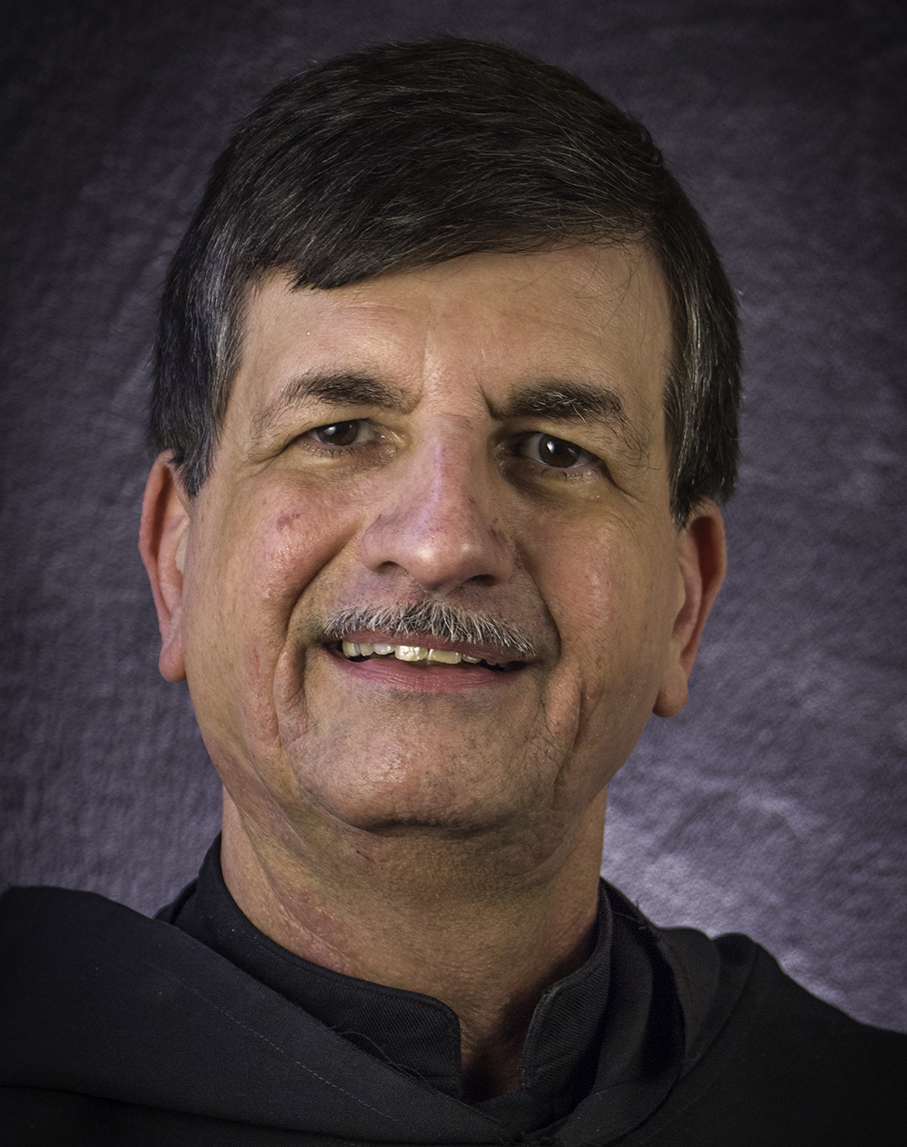
Pastor's Messages Fr. Joseph Chamblain, O.S.M. Pastor
|
 |
| 6/7/2026 | Fr. Joseph Chamblain, OSM |
| OUR OWN EUCHARISTIC REVIVAL | |
Today’s Solemnity of the Body and Blood of Christ (commonly known as Corpus Christi) has been celebrated by the universal church since 1264. It came about largely through the intense lobbying of a congregation of religious sisters who said that we need a feast that calls attention to how special the Eucharist is and what a great privilege it is to receive communion. The same Christ who was present to the apostles at the Last Supper is present to us at Mass under the appearance of bread and wine.
This movement to establish the Feast of Corpus Christi represented the culmination of a long trend toward increasing reverence for the Blessed Sacrament. For the first thousand years of Christianity, it was common to receive communion under both forms, following the example of Jesus, who passed the plate and the cup at the Last Supper. From the eleventh century on there was a gradual decline in sharing the Eucharist under both forms and it was forbidden by the Council of Lambeth in 1281. The practice of receiving communion kneeling down and receiving communion on the tongue became standard practice This increasing reverence for the Eucharist led to a gradual decline in the number of people actually receiving the Eucharist. Catholics were expected to fast from midnight from all food and drink if they planned to receive communion at Mass. The Feast of Corpus Christi focused on adoring the Blessed Sacrament, being blessed by the Blessed Sacrament, but not necessarily receiving the Blessed Sacrament.
In the liturgical reforms of the 1960s, the goal was to restore full active participation of the faithful in the Mass, and this included receiving communion. The option of standing for communion, receiving communion in the hand, and receiving under both forms were restored and fasting rules were diminished. Over the past decade, though, there has been concern that the pendulum has swung too far the other way. It was widely reported that a substantial number of Catholics did not believe that Christ was truly present in the Eucharist and that the bread and wine did not actually become the body and blood of Christ at Mass. The Eucharist was just a symbolic reenactment of the Last Supper. Alarmed by this, the American bishops initiated a three-year Eucharistic Revival in 2024. Eucharistic Exposition was encouraged and there were several processions across the United States with the Blessed Sacrament. This has led some of us who were not trained to receive communion on the tongue to choose to do so and led some to kneel down to receive the Eucharist.
While these actions call attention to the Eucharist, to truly appreciate the Eucharist, I believe, we have to unleash one of the Seven Gifts of the Holy Spirit called awe and wonder. Some of us learned that as Fear of the Lord, but this gift was never about being afraid of God. It was about standing back and saying “Wow”. Awe and wonder come naturally to children because there is so much of life that they cannot explain. Sometimes as we grow older, we lose that ability to be amazed. We think everything can be explained and God gets confined to a small space in our lives. I recall feeling awe and wonder when I looked into the Grand Canyon for the first time or saw Old Faithful erupt. You just have to stop and say “Wow!”. We should never lose our sense of awe and wonder at the mystery of our own existence, or the mystery of one another, or the mystery of creation or the mystery of God. Behold what God can do!
Second, we need to remember that the Eucharist is not a thing. Eucharist is an encounter with the Risen Lord. When Jesus rose from the dead he overcame the limitations of time and space. In the Gospel accounts of the resurrected Jesus, he appeared suddenly any and everywhere. Throughout his public ministry Jesus wanted to be really present to people, especially those who were lost, confused, sick, or hungry. He cared for their physical and material needs. Does it not make sense that Jesus would want to be really present to us? How often did Jesus show his love and acceptance of people who were maligned in his society by eating with them. Would it not make sense that he would want to be present to us now at a meal, reassuring us that he had not abandoned us, that he was still walking with us, encouraging and challenging us to live as we truly are, beloved children of God? If we can believe that Jesus rose from the dead, it is not that hard to believe that Jesus would choose to be present on all the altars of the world every time Mass is celebrated. –and do so in a very unassuming way, accessible to everybody.
Fr. Joe
PS On a personal note, you may have noticed that I am having more trouble reading at Mass, and I apologize for occasional stumbles in the text. But help is on the way. My cataracts have reached full maturity and they are scheduled to be exorcised over the next four weeks.
|
|

